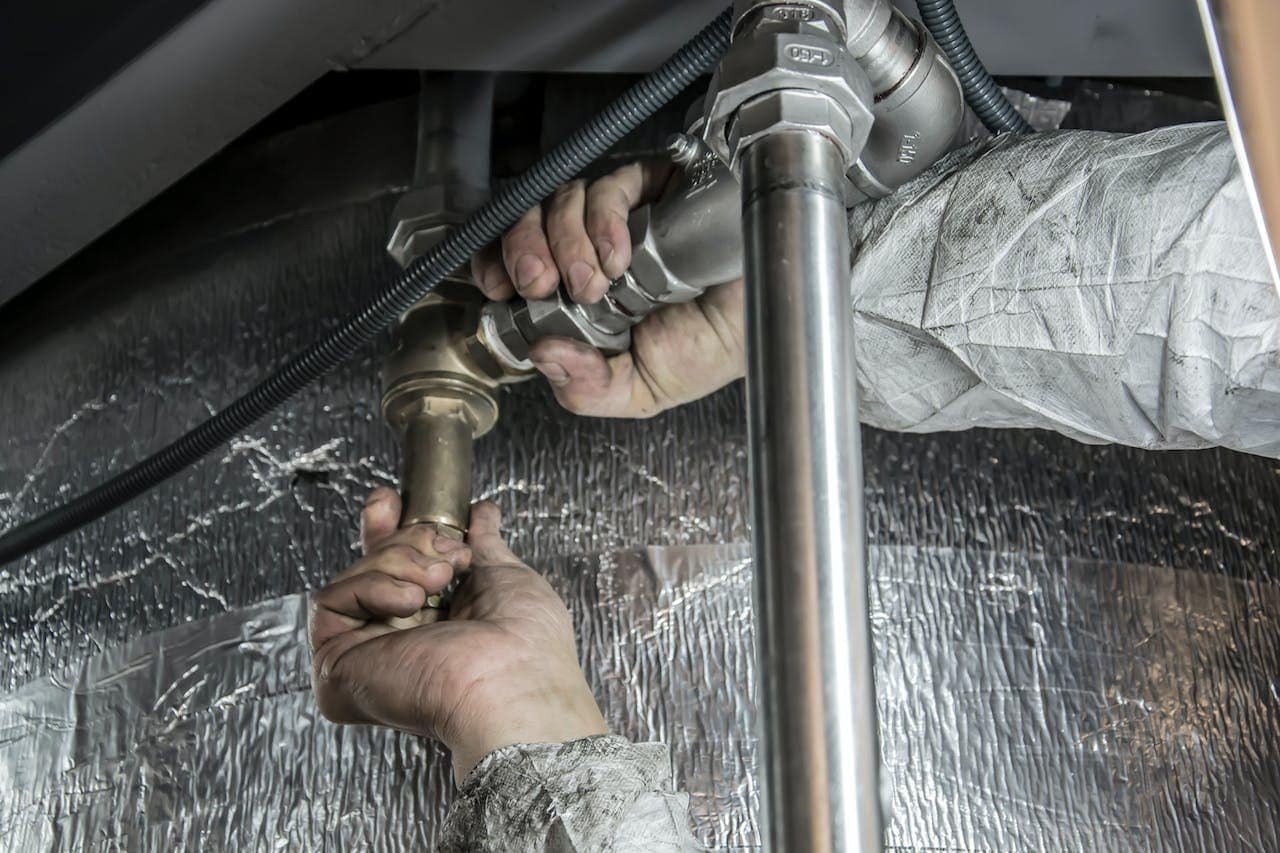

Urgent plumbing signs demand swift assessment. Sudden leaks waste water and stress systems, while persistent clogs indicate blockages beyond simple remedies. Sewer odors, gurgling drains, and backups signal vent or trap faults needing evaluation. Pressure changes, temperature shifts, and deteriorating pipe health point to looming failures. Continuous monitoring matters for water quality and efficiency. An immediate professional check can prevent broader damage, preserving systems and costs—yet the next step remains crucial.
What Counts as an Urgent Plumbing Sign
In urgent plumbing scenarios, certain signs indicate immediate attention is required to prevent water damage, health risks, or structural compromise.
The criterion focuses on patterns indicating malfunction: persistent clogs, continuous running toilets, gurgling fixtures, and sudden pressure drops.
Timely assessment preserves clean water quality, reduces waste, and supports energy savings by preventing inefficient boiler or pump operation.
Professional evaluation ensures safe, compliant remediation.
Sudden Leaks and Water Waste You Can’t Ignore
Sudden leaks and unplanned water waste represent immediate indicators of a plumbing system that requires rapid assessment.
The observation of sudden leaks, even minor, paired with persistent water waste signals a fault that warrants professional inspection and targeted repair.
Early detection reduces damage, conserves resources, and minimizes downtime, preserving system reliability and performance for informed owners seeking freedom from hidden costs.
Sewer Smells, Gurgling Drains, and Backups to Watch For
Sewer smells, gurgling drains, and backups signal a developing fault in the sanitary system that warrants prompt evaluation.
The indicators: sewer smells, gurgling drains, and backups to watch for, urgent plumbing signs pointing to blockages, vent failures, or trap issues.
Sudden leaks and water waste you can’t ignore may accompany pressure, temperature, and pipe health: early warning signs demanding proactive inspection and remediation.
Pressure, Temperature, and Pipe Health: Early Warning Signs
Pressure fluctuations, temperature shifts, and deteriorating pipe health serve as early warning indicators of imminent plumbing failure.
The analysis emphasizes pressure spikes, temperature drops, and pipe corrosion as measurable symptoms.
Elevated pressure may stress joints, while temperature drops trigger material contraction and potential cracking.
Joint leaks indicate compromised seals, and ongoing corrosion signals escalating risk to system integrity and future failures.
Continuous monitoring advised.
Frequently Asked Questions
How Long Before a Leak Becomes a Major Emergency?
A leak becomes a major emergency when indicator duration surpasses a critical threshold; from that point, rapid intervention is required. Leak duration informs the emergency threshold, guiding decisive actions to prevent structural damage, mold, or vast water loss.
Can a Noisy Toilet Indicate Hidden Plumbing Damage?
A noisy toilet can indicate hidden leaks or valve issues. While not definitive, persistent sounds warrant inspection for concealed damage. toilet noises point to possible hidden leaks, but confirmation requires professional assessment of seals, traps, and venting systems.
Do Rusty Pipes Require Immediate Replacement or Repair?
Rusty pipes typically warrant replacement rather than repair due to corrosion progression, material thinning, and contamination risk; replacement vs repair decisions depend on pipe material, system age, and cost-benefit analysis, prioritizing long-term reliability and water quality.
What Preventative Steps Reduce Future Urgent Plumbing Issues?
Prevention is prudent: preventative maintenance reduces future plumbing issues by scheduling regular inspections, flushing lines, inspecting joints, and addressing small leaks promptly; these steps minimize corrosion, mineral buildup, and pressure stress, preserving systems while empowering those who value freedom.
Is It Safe to Use DIY Fixes for Sewer Gas Smells?
The answer: DIY fixes for sewer gas smells are unsafe; professional guidance is recommended. For safety, implement leak detection and pipe insulation when addressing issues, while avoiding temporary, non-technical repairs that mask underlying plumbing faults.
Conclusion
Urgent plumbing signals show serious systems stress and should prompt swift scrutiny. Persistent problems—packaged with pressure changes, temperature shifts, and pipe health concerns—signal potential failure. Sudden leaks waste water and elevate costs, while sewer smells, gurgling drains, and backups betray vent or blockage faults demanding immediate assessment. Continuous clogs and running toilets compounds risk to quality and efficiency. Timely testing, technical troubleshooting, and professional intervention protect property, prevent patronization of pests, and preserve potable performance through proactive, precise planning.