
Remote Patient Monitoring (RPM) systems collect real-time health data from patients via connected devices, transmit it securely, and translate signals into actionable insights for clinicians. Evidence-based design emphasizes interoperability, privacy, and user-centric workflows that fit diverse care settings. Data-driven dashboards and feedback loops aim to improve outcomes while maintaining explicit consent and auditable processes. As organizations weigh options, clear alignment with clinical goals and practical implementation remains essential—a balanced approach that invites further examination of outcomes and real-world impact.
What Remote Patient Monitoring Is and Why It Matters
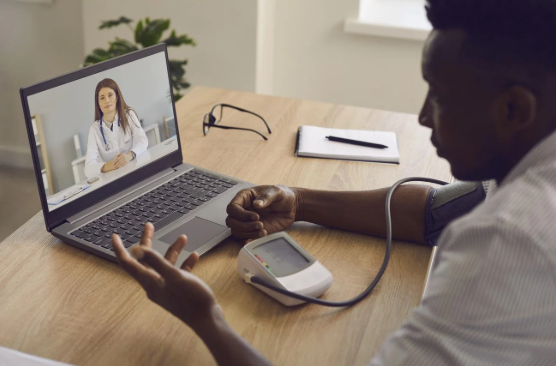
Remote patient monitoring (RPM) refers to the use of connected devices to collect health data from patients in real time or near real time and transmit it to clinicians for assessment and action.
RPM supports continuous insight, enabling timely decisions.
It emphasizes patient empowerment and promotes data interoperability across systems, enhancing transparency, consent-based participation, and collaborative care while preserving autonomy and safety in real-world settings.
Key Technologies Powering RPM Today
Technologies powering remote patient monitoring (RPM) today hinge on interconnected hardware, secure data transmission, and intelligent analytics that convert streams of physiological signals into actionable insights.
Data privacy protections, robust device reliability, and data interoperability enable trustworthy telemetry, while patient engagement programs translate measures into meaningful actions.
Evidence-based pipelines support scalable, user-centered care, balancing freedom with accountability across diverse clinical settings.
How to Choose an RPM Solution for Your Needs
Choosing an RPM solution requires aligning clinical needs with platform capabilities through a structured evaluation of outcomes, usability, and risk. The selection process weighs evidence from pilot data, error rates, and user feedback to determine impact on care quality. Prioritize caregiver engagement and data interoperability, ensuring workflows support autonomy, security, and scalable integration without compromising patient-centered freedom and trust.
Implementing RPM: Best Practices and Real-World Outcomes
Implementing RPM hinges on translating prior selection insights into actionable, field-ready practices that optimize outcomes.
Real-world implementations reveal standardized data collection, interoperable platforms, and continuous feedback loops as core drivers of effectiveness.
Data privacy safeguards, transparent consent, and auditable workflows support trust.
Patient engagement mechanisms—alert responsiveness, education, and accessible dashboards—correlate with adherence, satisfaction, and measurable health improvements in diverse populations.
See also: Renewable Energy and Smart Technology
Frequently Asked Questions
How Is Patient Privacy Protected in RPM Deployments?
Patient privacy is protected by robust privacy safeguards and device authentication; data minimization and encryption guard confidentiality, while access controls and audit trails enable transparent, user-centered oversight and evidence-based verification of secure RPM deployments.
What Are the Cost Models for RPM Programs?
Cost models in RPM programs vary: subscription, per-visit, device-inclusive, and value-based structures. Pricing strategy aligns with outcomes, scale, and risk sharing. Data-driven analyses show higher adoption when clear ROI, transparency, and user-centered support underpin the model.
How Do RPM Programs Integrate With Existing EHR Systems?
Integration workflows enable RPM programs to align with existing EHRs through standardized data interoperability, bidirectional data exchange, and real-time status updates; evidence-based approaches ensure seamless clinician access, while user-centered design supports clinician autonomy and workflow freedom.
What Clinical Outcomes Most Improved by RPM Evidence Exist?
Clinical outcomes most improved by remote monitoring include reduced hospitalizations and better blood pressure and glucose control, with evidence pointing to enhanced patient engagement metrics and remote monitoring outcomes; irony underscores data-driven, patient-centered freedom in care delivery.
How Is Data Accuracy Validated in Remote Monitoring Devices?
Data accuracy in remote monitoring devices is validated through data calibration and sensor reliability tests, including cross-device comparisons, phantom simulations, and real-world pilot studies, ensuring evidence-based, user-centered conclusions while preserving user freedom and trust in measurements.
Conclusion
RPM emerges as a quiet orchestra where devices are instruments, data the melody, and clinicians the conductors. Symbolism guides a rhythm: interoperable notes harmonize across care teams; privacy shields the cadence; dashboards illuminate patient journeys as lanterns in a vast night. Evidence shows improved adherence, timely alerts, and reduced says of emergency events when workflows are patient-centered and auditable. The score remains dynamic—continuous feedback, education, and inclusive access turn measurable outcomes into lasting health literacy.